Perplexity Visibility Tool Pricing: What to Expect in 2026
Perplexity has become the AI engine marketers can't ignore. Unlike ChatGPT, every Perplexity answer surfaces a numbered list of cited sources, and users click them. That citation list is the closest thing AI search has to a SERP—and it's the surface you need to appear on. But as more teams look for tools to track their brand's presence in Perplexity answers, a practical question emerges: what does Perplexity visibility tool pricing actually look like in 2026?
This guide breaks down the cost drivers behind Perplexity visibility tools, typical price ranges, and how to decide what's worth paying for. We'll also show where AskScope fits for lean marketing teams that need evidence-based GEO without enterprise overhead.
What Is a Perplexity Visibility Tool?
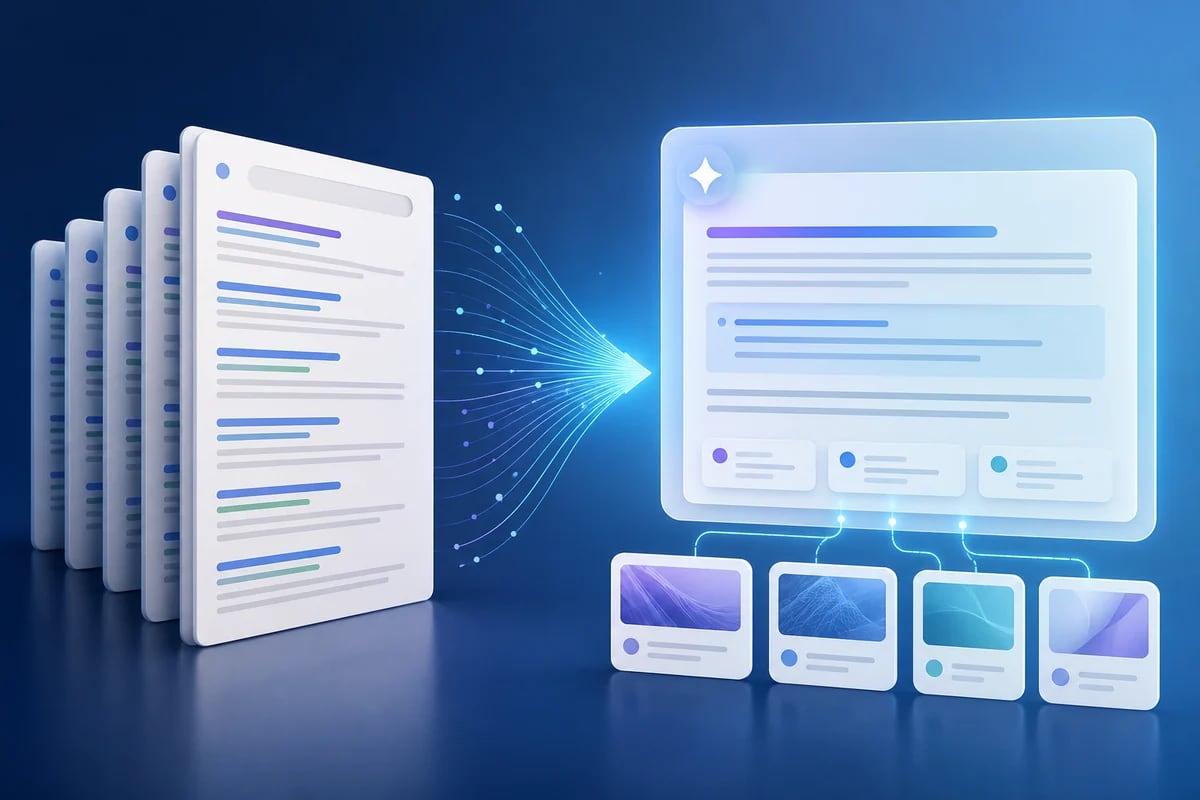
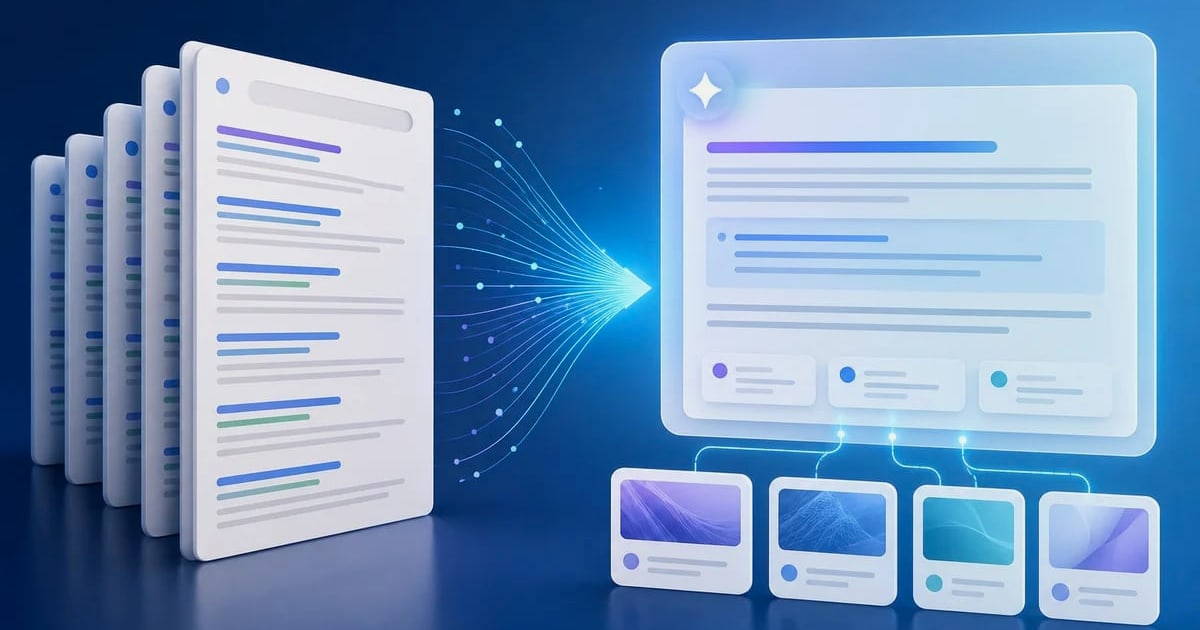
GEO vs. SEO: what changes when the answer replaces the result page.
A Perplexity visibility tool runs queries against Perplexity on a schedule, captures the generated answer, and records two things: whether your brand was mentioned in the response text, and which URLs Perplexity cited as sources. Some tools also track citation position, sentiment, and how answers change over time.
This is not the same as a Google rank tracker. Perplexity doesn't return ten blue links. Instead, you get two ranked lists: brands mentioned in the prose answer, and source URLs Perplexity quoted. A serious tool captures both. A weak one just searches the answer text for your brand name and stops there.
For a deeper look at how citation analysis fits into a broader GEO workflow, see our guide to competitive insights in AI search.
What Drives Perplexity Visibility Tool Pricing?
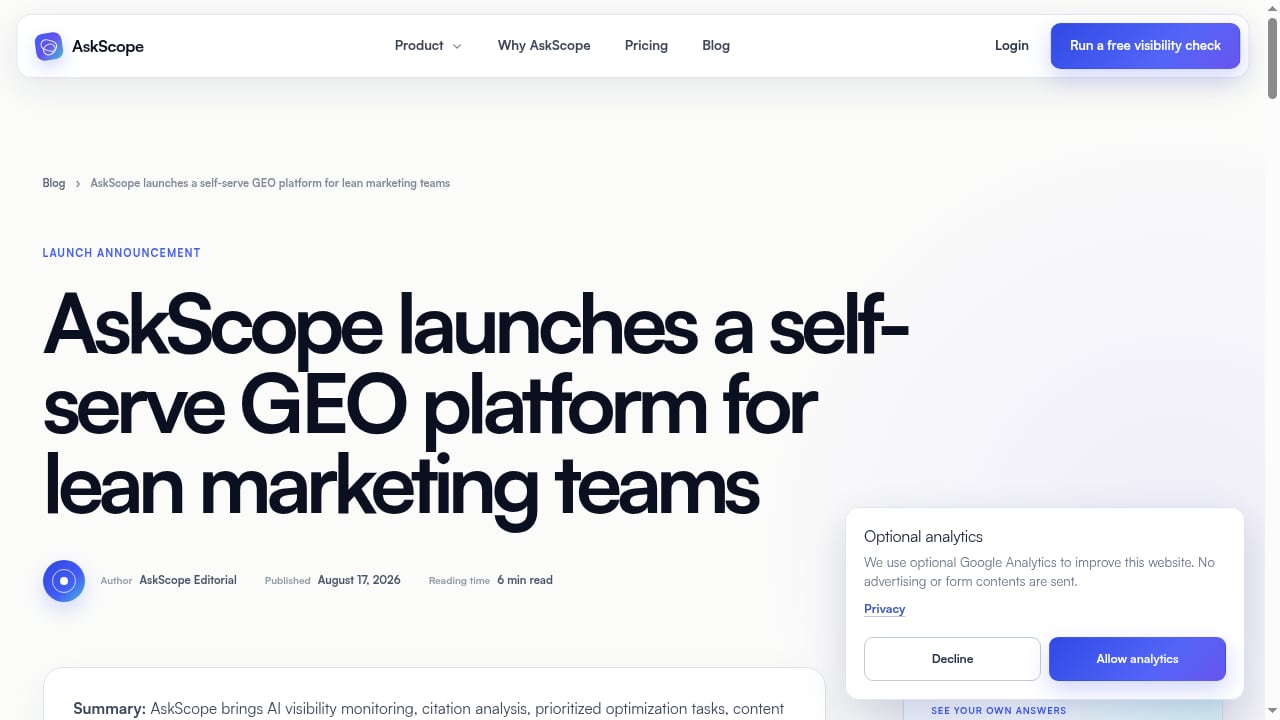
First viewport screenshot of Customers are asking AI. Is your brand in the answer?.
Pricing in this category varies widely—from free tiers to enterprise contracts costing thousands per month. The differences come down to five factors.
1. Number of Prompts Tracked
Most tools price by prompt volume. A tool that lets you monitor 40 prompts will cost less than one that tracks 500. The real unit economics is cost per prompt per month. Some tools advertise low monthly prices but cap prompt volume so tightly that the effective cost per query is much higher.
2. Refresh Frequency
Weekly tracking is a common baseline. Daily tracking costs more because it requires more compute and API calls. Monthly tracking is cheaper but less useful for fast-moving launches or reputation monitoring.
3. Citation Depth
Does the tool capture the actual cited URLs, or just search the answer prose for your brand name? Citation-level tracking is more valuable—and more expensive to build—because it requires parsing Perplexity's source list, normalizing domains, and attributing citations to competitors or to you.
4. Model and Locale Coverage
Perplexity answers differ by region and model variant (Sonar, Sonar Pro). Tools that let you specify locale and model cost more than those that run a single default configuration.
5. Competitor and Sentiment Analysis
Tracking your own visibility is table stakes. Tracking competitors, share of voice, and sentiment per response adds analytical layers that increase cost.
Typical Price Ranges for Perplexity Visibility Tools
Based on public pricing pages and vendor comparisons, here's what you can expect in 2026:
| Tier | Monthly Cost | What You Typically Get |
|---|---|---|
| Free | $0 | Limited prompts, weekly or monthly refresh, basic mention tracking |
| Entry-level | $29–$59 | 50–100 prompts, weekly refresh, citation tracking, 1–2 engines |
| Mid-tier | $79–$199 | 200–500 prompts, daily refresh, competitor analysis, 3–5 engines |
| Enterprise | $399+ | Unlimited prompts, custom refresh, SSO, API access, dedicated support |
These are approximations. Plans change frequently in this category, so always check the provider's current pricing page before signing up.
One important caveat: some tools bundle Perplexity tracking with ChatGPT, Gemini, and other engines. Others charge separately for each engine. If you need multi-engine coverage, the bundled approach is usually more cost-effective.
How AskScope Approaches Perplexity Visibility Pricing
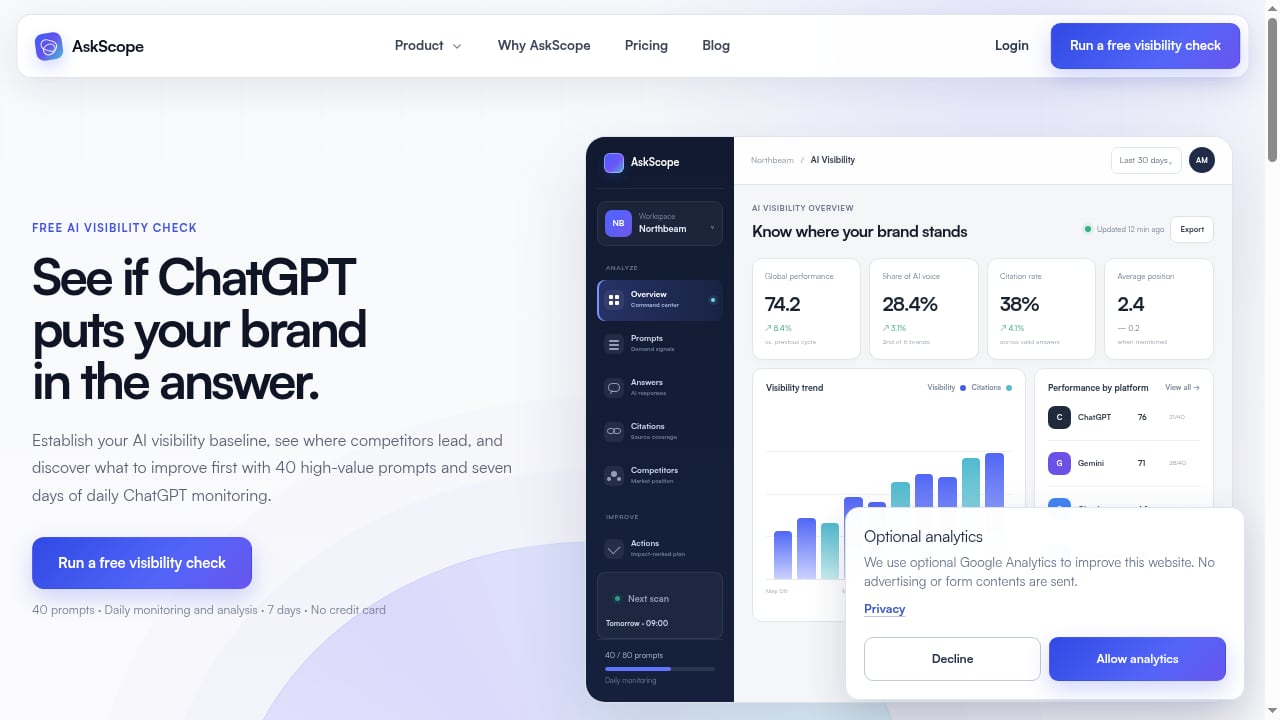
First viewport screenshot of Customers are asking AI. Is your brand in the answer?.
AskScope is a self-serve GEO platform designed for lean marketing teams. It monitors, analyzes, and helps you improve your brand's visibility in AI search answers—including Perplexity.
The platform operates on a continuous loop: Monitor, Analyze, Act. You see where your brand stands in AI-generated responses, where competitors lead, and what actions to take next. Every metric connects to evidence—scores are based on actual AI answers, not estimates.
AskScope offers a free visibility check with seven days of daily ChatGPT monitoring across 40 prompts. Paid plans start free and scale with team needs. This structure lets you test the platform's citation tracking and competitor analysis before committing to a larger plan.
For teams comparing options, our AskScope vs Frase vs Waikay comparison breaks down how pricing and GEO workflows differ across platforms.
What to Look for Beyond Price
First viewport screenshot of Customers are asking AI. Is your brand in the answer?.
Price matters, but it's not the only factor. When evaluating Perplexity visibility tools, consider:
- Citation extraction. Does the tool capture actual cited URLs, or just mention counts?
- Historical data. Can you compare last month to this month? Some tools reset or aggregate too aggressively.
- Exports and integrations. CSV, API, or dashboard access. If you can't get the data out, you can't act on it.
- Evidence-based scoring. Are visibility scores tied to real AI answers, or are they black-box estimates?
- Actionable recommendations. Does the tool tell you what to do next, or just show you charts?
For a broader comparison of platforms, see our roundup of AI search visibility and AEO/GEO analytics platforms.
When to Choose a Perplexity-Specific Tool vs a Multi-Engine Platform
If Perplexity is your primary AI search channel—say, because your audience is research-heavy or your competitors are active there—a Perplexity-specific tracker may be sufficient. These tools often cost less and go deeper on citation analysis.
But most brands need visibility across ChatGPT, Perplexity, Gemini, and other engines. In that case, a multi-engine platform like AskScope is more efficient. You track all engines in one place, compare share of voice across them, and avoid paying for multiple subscriptions.
The decision comes down to focus. Perplexity-only tools optimize for depth in one engine. Multi-engine platforms optimize for breadth and workflow integration.
Related reading
- Top 10 AI Reputation Monitoring & Analytics Software 2026 - Compare the top 10 AI reputation monitoring and analytics platforms for 2026. Evidence-based rankings, evaluation criteria, pricing signals, and buying guidance.
Sources and further reading
- Perplexity Pricing 2026: Plans, Pro, Max, and Is It Worth It? - Perplexity's 2026 pricing explained: Free, Pro ($20), Max ($200), the $10 student plan, the credit system, and an honest take on whether Pro is worth it.
- Perplexity API Pricing In 2026: Models, Costs, And Optimization Tips - Perplexity API pricing across all Sonar models. See how costs stack up against OpenAI & learn where the hidden per-request fees add up fast.
- Best Perplexity Rank Tracker Tools in 2026 (15 Compared) - Compare the best Perplexity rank trackers in 2026. Analyze mentions, citations, visibility, and AI search performance across 15 leading platforms.
FAQ
How much does a Perplexity visibility tool cost?
Entry-level tools start around $29–$59 per month. Mid-tier platforms with daily refresh and competitor analysis cost $79–$199. Enterprise plans with unlimited prompts and API access start around $399 per month. Free tiers exist but usually limit prompt volume and refresh frequency.
Is Perplexity tracking worth paying for?
If your buyers use Perplexity for research and comparison queries, yes. Perplexity citations send referral traffic and signal authority. Tracking which URLs get cited—and which competitors are winning those citations—gives you actionable data for GEO improvements.
What's the difference between mention tracking and citation tracking?
Mention tracking searches the answer text for your brand name. Citation tracking captures the actual source URLs Perplexity displays. Citation tracking is more valuable because it shows you which pages are shaping AI answers, not just whether your brand appeared somewhere in the response.
Can I track Perplexity visibility for free?
Some tools offer free tiers with limited prompts and weekly or monthly refresh. AskScope offers a free visibility check with seven days of daily ChatGPT monitoring across 40 prompts, which lets you test the platform before upgrading.
How often should I refresh Perplexity visibility data?
Weekly is a useful baseline for most teams. Daily refresh suits fast-moving launches or reputation monitoring. Monthly refresh works for slower reporting cycles but may miss rapid changes in AI answers.
Conclusion
Perplexity visibility tool pricing in 2026 ranges from free tiers to enterprise contracts, with most lean teams finding value in the $29–$199 per month range. The key cost drivers are prompt volume, refresh frequency, citation depth, and multi-engine coverage.
Before you buy, clarify what you actually need: Perplexity-only tracking or multi-engine visibility? Mention counts or citation-level analysis? A dashboard or actionable recommendations?
AskScope is built for lean marketing teams that need evidence-based GEO without enterprise complexity. The platform connects every metric to actual AI answers, offers a free visibility check to start, and scales as your needs grow. If you're evaluating Perplexity visibility tools, start with a free check and see what your brand's citation profile looks like.